
NON-RUNNING & INOPERABLE VEHICLE SHIPPING
Inoperable Vehicle Transport & Non-Running Car Shipping
Need to move a vehicle that does not start, drive, or operate normally? East Coast Auto Brokers & Transportation coordinates reliable inoperable vehicle transport for non-running cars, damaged vehicles, auction purchases, restoration projects, salvage vehicles, and more.
Whether your vehicle simply has a dead battery or requires specialized loading equipment, we help determine the right transport setup before pickup so your vehicle can be moved as safely and efficiently as possible.
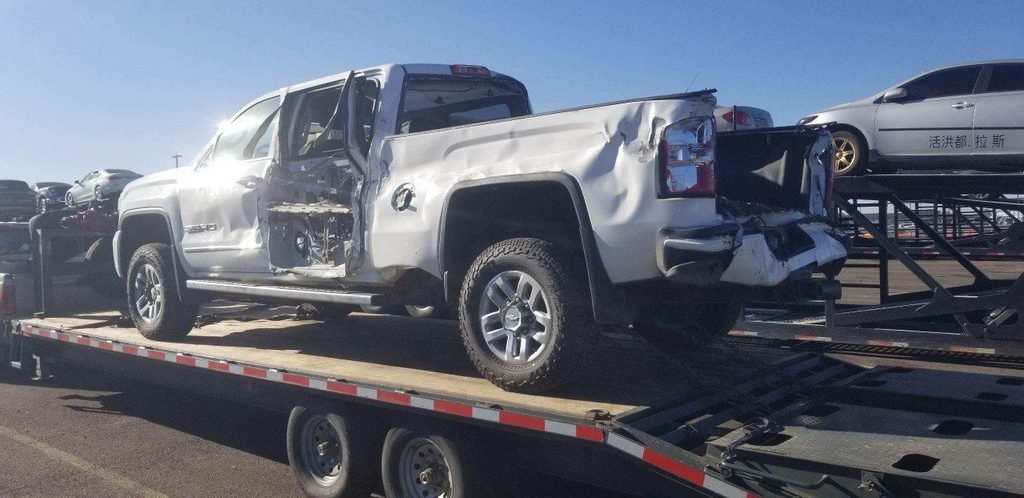
Non-Running Vehicles
Transport solutions for vehicles that cannot be driven
Winch-Capable Transport
Carrier equipment matched to vehicle condition
Door-to-Door Service
Pickup and delivery as close to your locations as safely permitted
Nationwide Coordination
Vehicle shipping across the continental United States
What Is Inoperable Vehicle Transport?
Inoperable vehicle transport is a specialized form of auto shipping for vehicles that cannot be driven onto or off a carrier under their own power.
A vehicle may be considered inoperable because it does not start, has mechanical or electrical problems, has collision damage, is missing components, has a dead battery, or has been sitting unused for an extended period. These vehicles often require additional planning and equipment compared with standard auto transport.
The most important step is accurately describing the vehicle’s condition before booking. A car that does not start but still rolls, steers, and brakes can often be loaded using a winch. A vehicle with locked wheels, major suspension damage, missing wheels, or other severe damage may require additional equipment or special loading arrangements.
What Types of Inoperable Vehicles Can Be Shipped?
Non-running vehicle shipping is useful in many situations. We can help coordinate transportation for vehicles such as:
Auction & Salvage Vehicles
Purchased a vehicle from an auto auction, salvage auction, or wholesale sale? We can coordinate pickup even when the vehicle is listed as non-running or damaged.
Project & Restoration Cars
Classic cars, restoration projects, partially completed builds, and vehicles awaiting mechanical work often require non-operational vehicle transport.
Damaged Vehicles
Vehicles with accident damage, mechanical failure, electrical problems, or other conditions that prevent normal driving may require specialized loading.
Vehicles That Have Been Sitting
A vehicle that has been parked for months or years may no longer start even if the body and drivetrain are otherwise intact.
Dealer & Wholesale Vehicles
Dealerships, brokers, wholesalers, and fleet operators may occasionally need to transport trade-ins or inventory that cannot be driven.
Mechanical Failure Vehicles
Engine, transmission, battery, starter, fuel-system, or other mechanical issues can leave an otherwise complete vehicle unable to move under its own power.
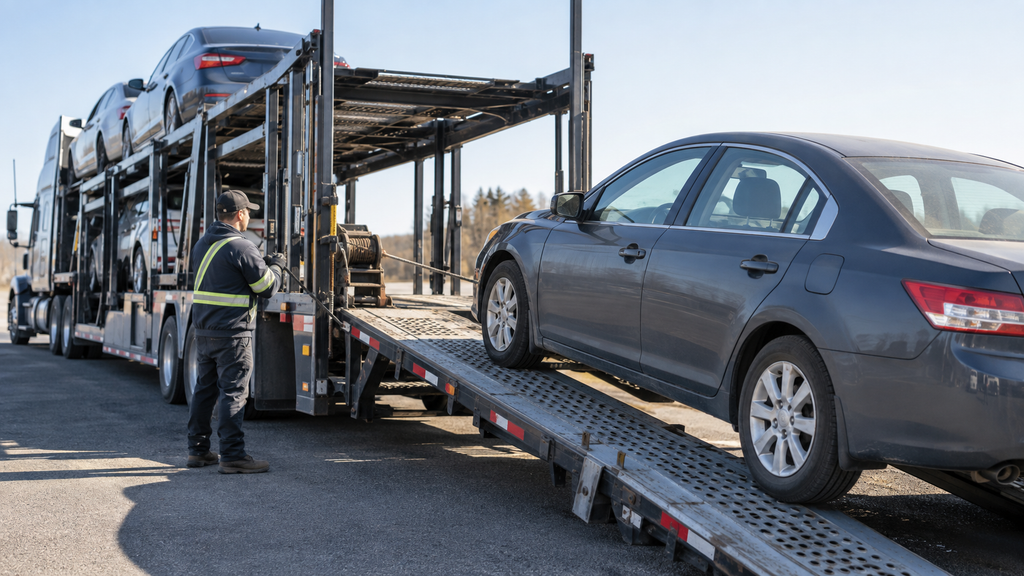
How Are Non-Running Cars Loaded?
Most standard vehicle carriers expect a vehicle to be able to start and drive onto the trailer. When a vehicle is inoperable, the loading process may be different.
If the vehicle rolls, steers, and brakes, a carrier equipped with a winch may be able to pull the vehicle onto the trailer. That is why it is important to tell us exactly what the vehicle can and cannot do before a carrier is assigned.
- Does the vehicle start?
- Does it roll freely?
- Can the steering wheel turn?
- Do the brakes function?
- Are all four wheels and tires installed?
- Is there major suspension or collision damage?
- Can the vehicle be accessed by a transport truck?
If the vehicle cannot roll or has significant structural or suspension damage, additional equipment may be needed at pickup or delivery.
How Inoperable Vehicle Shipping Works
01
Tell Us About the Vehicle
Provide the year, make, model, pickup and delivery locations, and an accurate description of the vehicle’s current condition.
02
We Match the Right Equipment
We determine whether the shipment requires a winch-capable carrier or other loading accommodations based on the condition you provide.
03
Pickup & Delivery
The vehicle is loaded, transported, and delivered as close to the requested locations as the carrier can safely and legally access.
Open or Enclosed Transport for an Inoperable Vehicle?
The best transport method depends on the vehicle, its value, its condition, your route, and available loading equipment.
Open Auto Transport
Open auto transport is commonly used for standard passenger vehicles and is often the most economical option. For an inoperable vehicle, the assigned carrier must have suitable loading equipment.
- Common choice for everyday vehicles
- Generally more carrier availability
- Often more affordable than enclosed shipping
- Winch capability must be confirmed when needed
Enclosed Auto Transport
Enclosed transport provides additional protection from road debris and weather exposure and may be preferred for valuable classic, exotic, collector, or restoration vehicles.
- Additional protection during transit
- Popular for high-value and collector vehicles
- Useful for valuable restoration projects
- Special loading requirements should be confirmed in advance
Shipping an Inoperable Vehicle From an Auto Auction
Online and wholesale auto auctions are a common source of non-running vehicles. Buyers may purchase a car hundreds or even thousands of miles away without seeing it in person, and the auction listing may identify the vehicle as non-running or unable to drive.
Before scheduling pickup, confirm the auction’s release requirements, vehicle condition, storage deadlines, operating hours, and loading policies. Some facilities may have forklifts or other equipment available, while others may require the transport carrier to provide the necessary loading equipment.
East Coast Auto Brokers & Transportation can also help coordinate auction vehicle transport for buyers, dealers, brokers, and other automotive businesses.
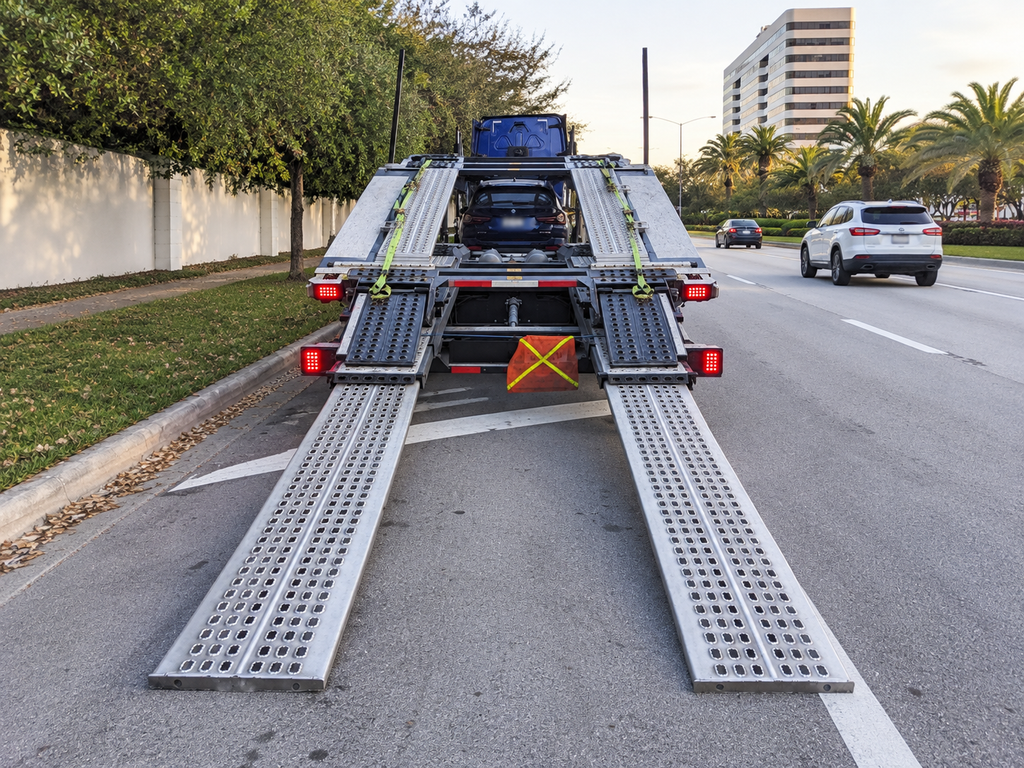
How Much Does It Cost to Ship an Inoperable Car?
The cost of shipping an inoperable vehicle depends on more than mileage. Non-running vehicles may require additional labor, specialized carrier equipment, or extra time during loading and unloading.
Factors that can affect your inoperable vehicle transport quote include:
- Pickup and delivery distance
- Vehicle size and weight
- Whether the vehicle rolls freely
- Whether the vehicle can steer
- Brake condition
- Wheel and tire condition
- Extent of collision or suspension damage
- Open versus enclosed transport
- Pickup and delivery accessibility
- Current carrier availability and route demand
Providing accurate information upfront helps us obtain a more reliable quote and reduces the possibility of loading problems when the carrier arrives.
Why Choose East Coast for Non-Running Vehicle Transport?
Condition-Based Planning
We ask the right questions before dispatch so the carrier understands whether the vehicle starts, rolls, steers, and brakes.
Carrier Coordination
Your shipment can be matched with transport equipment appropriate for the vehicle’s reported condition and route.
Clear Communication
We keep the vehicle’s condition and special loading requirements clear during the transport coordination process.
Multiple Transport Options
We coordinate open, enclosed, dealer, auction, specialty, and other vehicle transportation services.
Preparing a Non-Running Vehicle for Transport
A little preparation can help make pickup easier. Before the carrier arrives:
- Remove personal belongings and loose items from the vehicle.
- Tell us if the keys are missing.
- Confirm whether the vehicle is in park, neutral, or otherwise movable.
- Make sure tires are inflated when possible.
- Tell us if any wheels are locked or damaged.
- Disclose major suspension, steering, brake, or collision damage.
- Make sure the carrier can safely access the pickup location.
- Have auction release documents or pickup information ready when applicable.
Do not assume a vehicle is simply “non-running.” A vehicle that does not start but rolls freely requires a very different loading process than one with locked wheels or severe suspension damage.
Need to Move a Vehicle That Doesn’t Run?
Tell us where the vehicle is located, where it needs to go, and exactly what condition it is in. We will help determine the appropriate transport setup for your shipment.
Inoperable Vehicle Transport FAQs
Can you ship a car that does not run?
Yes. Non-running vehicles can often be transported as long as the carrier is informed of the vehicle’s condition before pickup. Vehicles that roll, steer, and brake are generally easier to load. Additional equipment may be required for severely damaged or immobile vehicles.
Does an inoperable car need to roll?
Not necessarily, but a vehicle that rolls freely is easier to load. If the wheels are locked, missing, or damaged, additional loading equipment or special arrangements may be required.
How do you load a car that will not start?
A non-running vehicle that can roll and steer may be loaded onto a compatible carrier using a winch. The exact loading method depends on the vehicle’s condition and the equipment available.
Does it cost more to ship an inoperable vehicle?
It can. Inoperable vehicles may require additional equipment, labor, or loading time. The final cost depends on the vehicle’s condition, distance, route, transport method, and current carrier availability.
Can you transport a damaged vehicle from an auction?
Yes. Auction transport is a common reason customers need inoperable vehicle shipping. Before pickup, the vehicle’s condition, release requirements, auction operating hours, and loading procedures should be confirmed.
Can I ship an inoperable car using enclosed transport?
Potentially. Enclosed transport may be available for non-running vehicles, particularly valuable classic, exotic, or restoration vehicles, but the carrier must have equipment suitable for the vehicle’s condition.
What information do you need for an inoperable vehicle quote?
We need the vehicle year, make and model, pickup and delivery locations, whether it starts, rolls, steers, and brakes, and information about any collision, suspension, wheel, or tire damage.
Do you provide door-to-door inoperable vehicle transport?
Door-to-door service is generally coordinated as close to the requested pickup and delivery addresses as the transport truck can safely and legally access. Some locations may require meeting the carrier nearby.